Modern SOC Tool Guide

Introduction
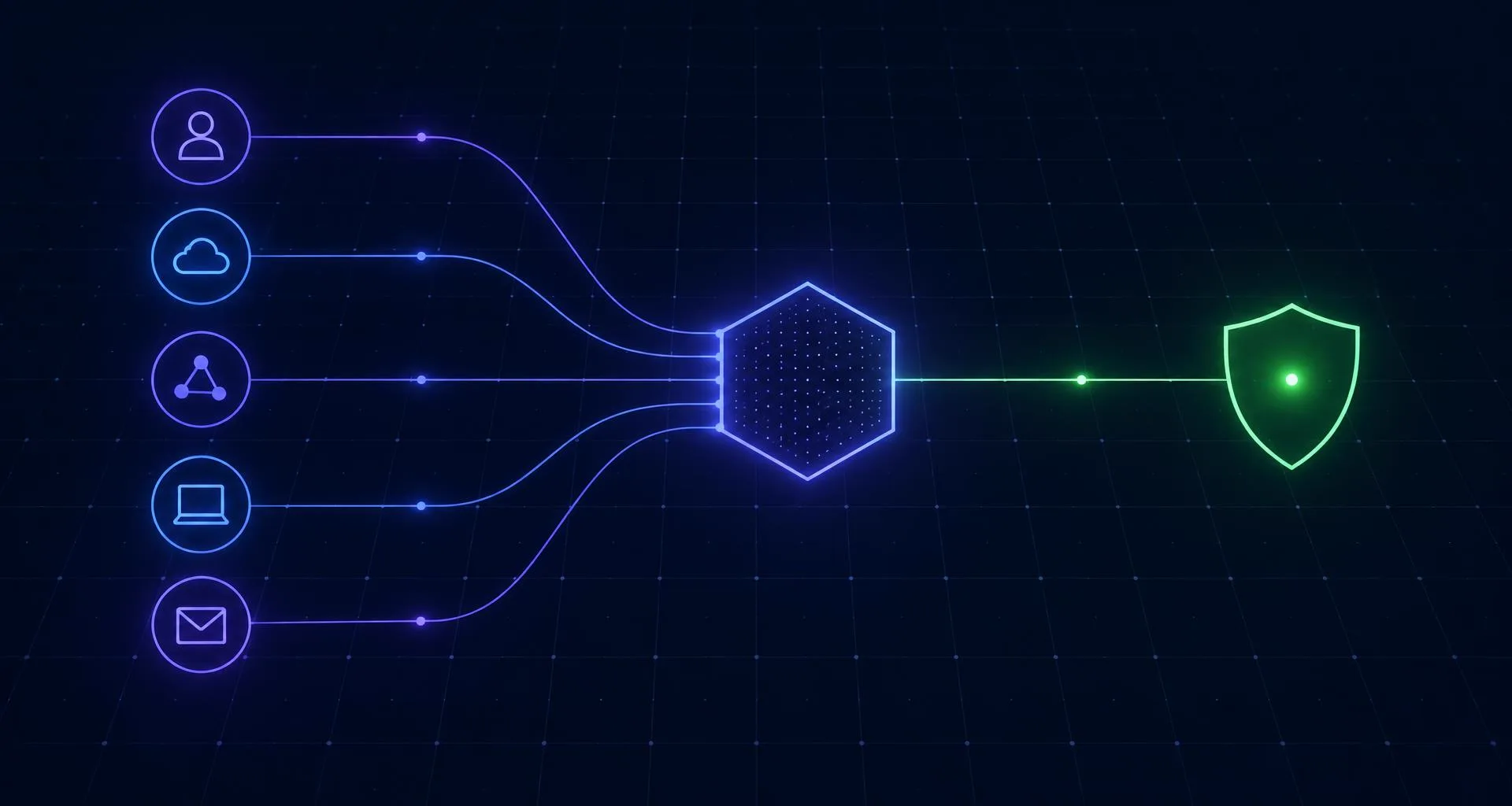
Security teams often deploy far more tools than they need. This unnecessary expansion leads to higher costs, fragmented visibility, and skyrocketing alert fatigue. A modern SOC thrives on precision, integration, and operational discipline, not tool quantity. This guide provides a structured view of the core technologies required to build or optimize a SOC, with recommendations grounded in industry research and lessons learned from thousands of investigations.
The SOC Tool Challenge
Key statistics driving the need for strategic tool selection
Alert False Positive Rate
Most alerts investigated by SOC teams are false positives
Alert Volume Reduction
Achievable with intelligent prioritization and consolidation
Shelfware Rate
Security tools that go underused or unused after purchase
Days to Contain Breach
Average time to identify and contain a security breach
How to Use This Guide
The guide is organized from foundational SOC tools to advanced and emerging categories. Each section highlights the problem each category solves, when you actually need it, and practical selection guidance.
SOC Tool Categories
Essential technology categories for modern security operations
Foundational Detection and Visibility
Essential visibility and detection coverage
Investigation, Response, and Automation
Workflow automation and incident tracking
Identity and Behavior Analytics
Behavioral detection and identity protection
Threat Intelligence and Enrichment
Threat context and intelligence enrichment
Cloud and Application Security
Cloud-native threat detection and posture
Email and Collaboration Security
Communication security and phishing prevention
Data Protection and Risk
Data security and risk visibility
Platform-Based Detection and Consolidation
Next-generation unified detection
AI-Driven Security Operations
Intelligent automation and autonomous investigation
Core Detection Platforms
These tools provide the essential visibility and detection coverage that every SOC depends on, including Endpoint Detection and Response (EDR), Security Information and Event Management (SIEM), and Network Detection and Response (NDR).
Response and Automation Platforms
SOAR platforms, case management systems, and digital forensics and incident response tools help automate repetitive work, standardize investigations, and improve MTTR.
Advanced Analytics and Identity
User and Entity Behavior Analytics (UEBA) and Identity Threat Detection and Response (ITDR) focus on identity-centric threats and abnormal behavior patterns that traditional rules often miss.
Threat Intelligence and Enrichment
Threat Intelligence Platforms (TIP), IOC management, and dark web monitoring provide the external context needed to prioritize and enrich alerts.
Cloud and Application Security
CSPM, CDR, CWPP, and SSPM solutions address misconfigurations, runtime threats, and SaaS risk as organizations move workloads to the cloud.
Email, Collaboration, and Data Protection
Email security, phishing detection, business email compromise protection, DLP, insider risk, and attack surface management help protect communication channels and sensitive data.
SOC Maturity Framework
Build your SOC capabilities progressively over time
Foundation
0-6 months
- EDR
- Basic log aggregation
Core Detection
6-12 months
- SIEM
- SOAR
- Case management
Advanced
12-24 months
- NDR
- UEBA
- Threat intelligence
- Expanded automation
Optimization
24+ months
- XDR strategy
- AI-driven investigation
- Platform consolidation
Right-Sized Tooling by Organization Size
Choose tools that match your organization's scale and complexity
Small
<1000 employees
Mid-Market
1000-5000 employees
Enterprise
5000+ employees
Key Integration Considerations
When building your tool stack, evaluate API maturity, event formats, deployment models, operational skill requirements, and long-term cost predictability.
Integration Evaluation Checklist
Critical criteria for evaluating SOC tool integrations
- Native API support with well-documented endpoints
- Standardized event formats (CEF, JSON, STIX)
- Real-time or near-real-time data streaming
- Role-based access control integration
- Pre-built integrations with major SIEM/SOAR platforms
- Webhook support for custom workflows
- Predictable and transparent pricing model
- Multi-tenant deployment options
- Proprietary data formats without export options
- Vendor lock-in through closed ecosystems
- Hidden costs for API access or integrations
- Tools that duplicate existing capabilities
Common Pitfalls to Avoid
Critical mistakes that undermine SOC effectiveness
Tool Sprawl
Deploying overlapping capabilities across multiple vendors, leading to confusion and integration nightmares.
Shelfware
Purchasing advanced features your teams lack the skills or time to actually use effectively.
Integration Debt
Ignoring data model complexity leads to fragmented visibility and manual correlation work.
Feature Overreach
Buying enterprise-grade features for a team that operates at a different maturity level.
Your Next Steps
Start with visibility, then build upward: establish endpoint visibility, centralize logs when you have meaningful data, automate repetitive tasks early, add specialized tools only when gaps appear, and optimize with consolidation and AI.
Your SOC Building Roadmap
Start with visibility, then build upward strategically
Establish Endpoint Visibility
Deploy EDR across all endpoints to gain foundational detection coverage.
Centralize Logs
Aggregate meaningful data into a SIEM when you have actionable telemetry.
Automate Repetitive Tasks
Introduce SOAR for common playbooks and reduce manual toil early.
Add Specialized Tools
Only add NDR, UEBA, or TIP when specific coverage gaps appear.
Optimize with AI
Consolidate with XDR or AI-driven platforms to reduce noise and improve outcomes.
Conclusion
A high performing SOC is not defined by the number of tools it owns, but by how efficiently and intelligently it uses them. Build strategically, integrate thoughtfully, and scale with operational discipline.